
The Future of Work in an AI-Driven World

The Future of Work in an AI-Driven World
Artificial Intelligence (AI) is no longer just a buzzword—it's a seismic force that's reshaping the fabric of our lives and the world of work. From personalized Netflix suggestions to AI-driven medical diagnostics, we’re already surrounded by intelligent systems. But as AI becomes more capable, a looming question dominates headlines and boardrooms alike: "Will AI take our jobs?"
This blog dives deep into how AI is influencing employment, which jobs are at risk, what new opportunities are emerging, and how you can future-proof your career in this shifting landscape.
What Is AI Really Doing in the Workplace Today?
AI is not some far-off concept of sentient robots—it’s a practical set of tools already revolutionizing industries. Core areas of AI include:
- Machine Learning: Teaching machines to learn from data
- Natural Language Processing: Enabling machines to understand and generate human language
- Computer Vision: Allowing computers to process and interpret visual information
- Automation: Replacing repetitive, rule-based tasks
Examples of AI in action today:
- Automating customer service through chatbots
- Streamlining logistics and supply chain management
- Enhancing marketing with personalized recommendations
- Assisting doctors with image analysis and diagnosis
Will AI Take the Jobs? Let’s Break It Down
The Honest Answer: Some Yes, Most Will Change
AI will replace certain tasks and roles—especially those that are repetitive, predictable, or data-driven. But it will also create new categories of jobs and augment many existing ones.
Jobs Most at Risk
- Data entry clerks
- Telemarketers
- Basic accounting and bookkeeping
- Routine factory and warehouse roles
Jobs AI Can’t Easily Replace
- Creative professionals (writers, designers, artists)
- Strategic decision-makers (managers, entrepreneurs)
- Empathy-focused roles (nurses, psychologists, social workers)
- Skilled trades (electricians, carpenters, mechanics)
Jobs Created or Transformed by AI
- Prompt engineers and AI trainers
- Machine learning developers
- AI ethics and governance consultants
- AI-assisted marketers and content creators
- Human-in-the-loop system operators
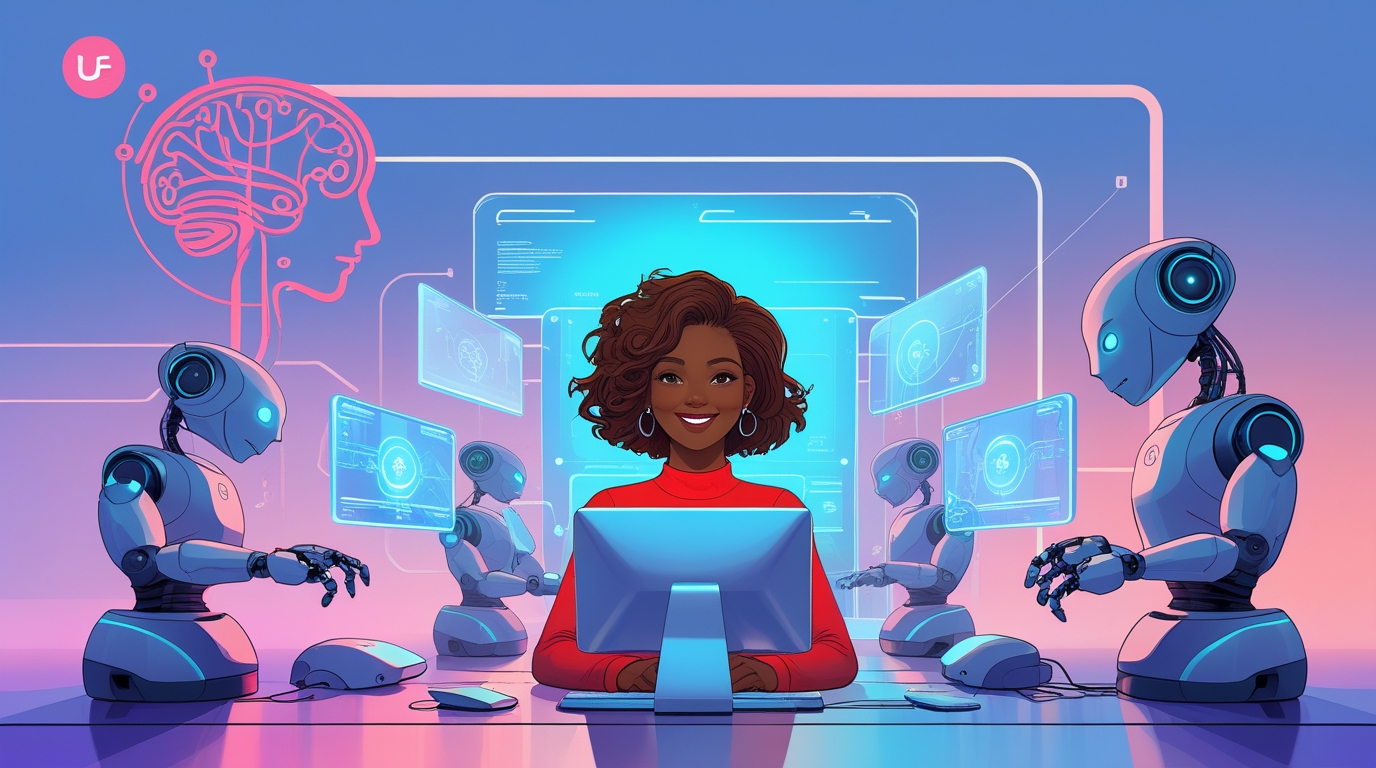
Rather than wholesale replacement, AI is leading to job transformation—turning traditional roles into tech-augmented careers.
The Future of Work: A New Kind of Workplace
Here’s how work is evolving in the AI era:
-
Human-AI Collaboration Will Be the Norm
AI will automate the mundane, while humans focus on complex problem-solving, creativity, and emotional intelligence. -
Lifelong Learning Becomes Essential
Job roles will evolve faster than ever. Those who continuously learn will adapt and thrive. -
Hybrid and AI-Augmented Roles Emerge
Jobs like “AI product manager” or “AI-assisted sales strategist” will become mainstream. -
Soft Skills Gain New Importance
Empathy, adaptability, communication, and leadership will be more critical than ever—machines can’t replace these.
How to Future-Proof Your Career in the Age of AI
Master the Basics of AI
You don’t need to be a data scientist, but understanding how AI works will be invaluable.
Start with platforms like Coursera, edX, or free resources on YouTube.
Learn to Work with AI Tools
Familiarize yourself with tools like:
- ChatGPT for content and ideation
- GitHub Copilot for coding
- Notion AI for productivity
Explore Emerging Tech-Centric Roles
Dive into fields such as:
- Data science and analytics
- AI operations and MLOps
- AI policy and ethical governance
Cultivate Human-Centric Strengths
AI lacks intuition, empathy, and the ability to build meaningful relationships.
You don’t—so double down on those strengths.
Final Thoughts: The Future is Not About Man vs. Machine
The narrative that “AI will take all our jobs” is misleading. Yes, it will replace some roles—just as every technological revolution has. But it will also empower people, create new professions, and expand economic possibilities.
The key question isn’t “Will AI take my job?” but rather: “Am I evolving fast enough to stay relevant?”
If you're willing to learn, adapt, and embrace change, AI isn’t your enemy—it’s your greatest ally.